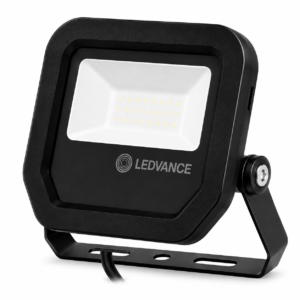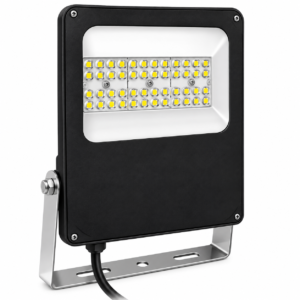



Additional information
| Weight | 0.35 kg |
|---|---|
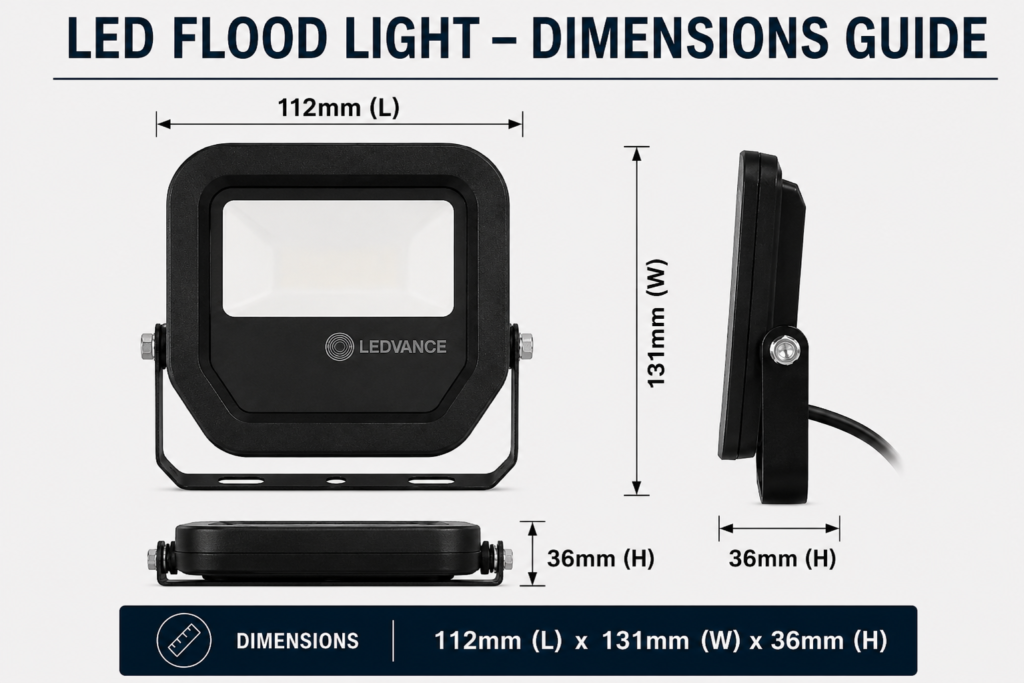
| Dimensions | 20 × 10 × 3 cm |
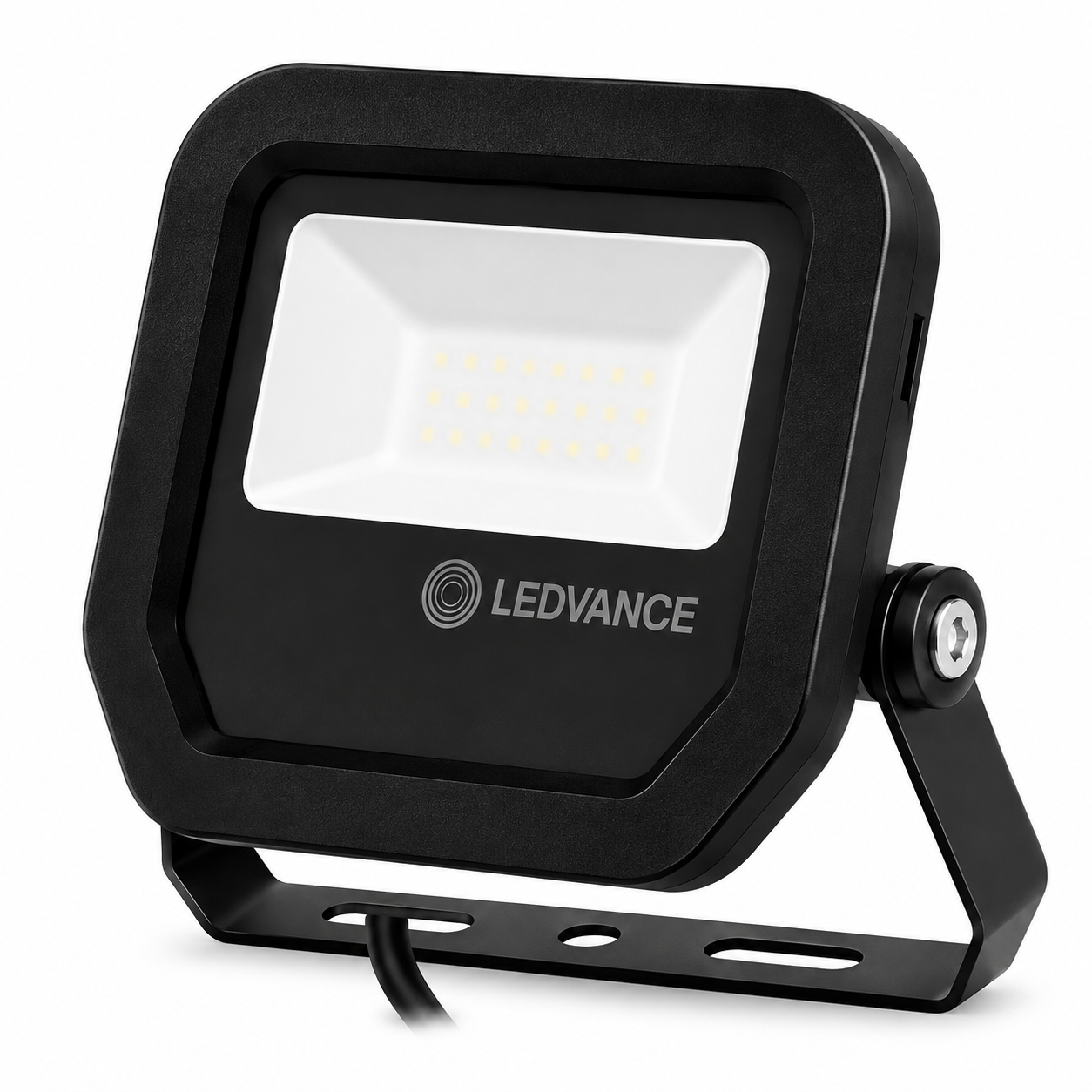
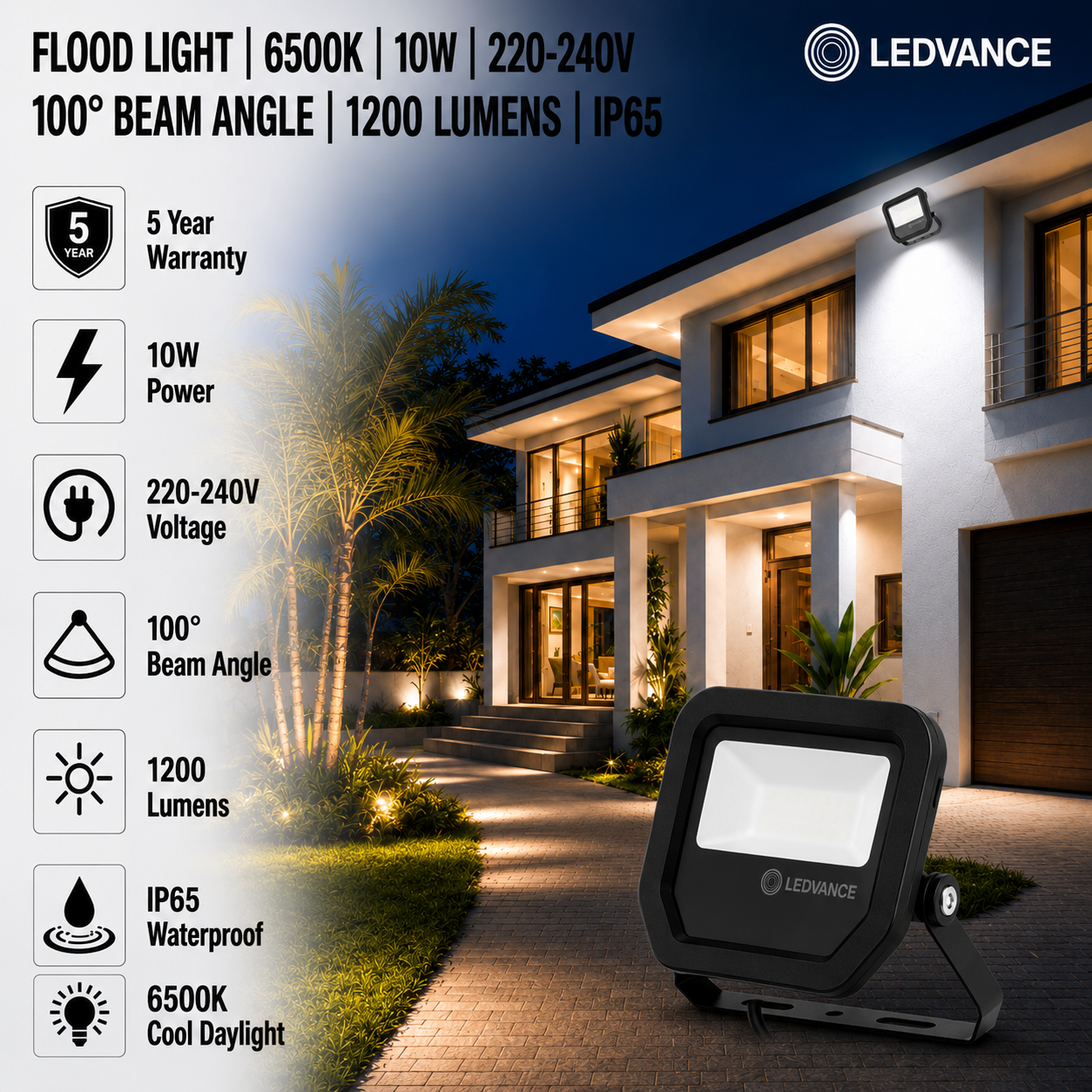
* Actual products may vary slightly due to continuous design enhancments.
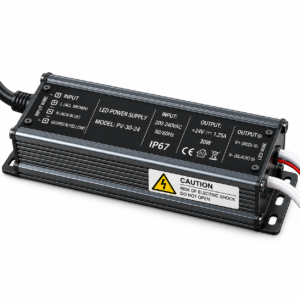
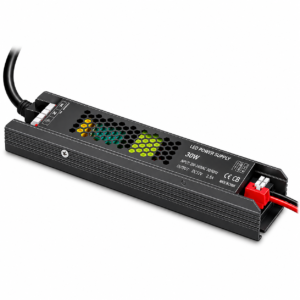
Essential Components for an LED Flood Light Installation
To ensure a safe, reliable and long-lasting LED Flood Light installation, you'll need the following components and accessories:
Using quality electrical components, correctly rated cabling and suitable weatherproof accessories will help ensure reliable operation, improve safety and extend the lifespan of your LED Flood Light installation.
Installation Note: LED Flood Lights operating directly from 220-240V AC should be installed by a qualified electrician. For coastal installations, use corrosion-resistant mounting hardware and appropriately protected electrical connections.
Online Price:
R216.00 Original price was: R216.00.R196.00Current price is: R196.00. Vat Incl.
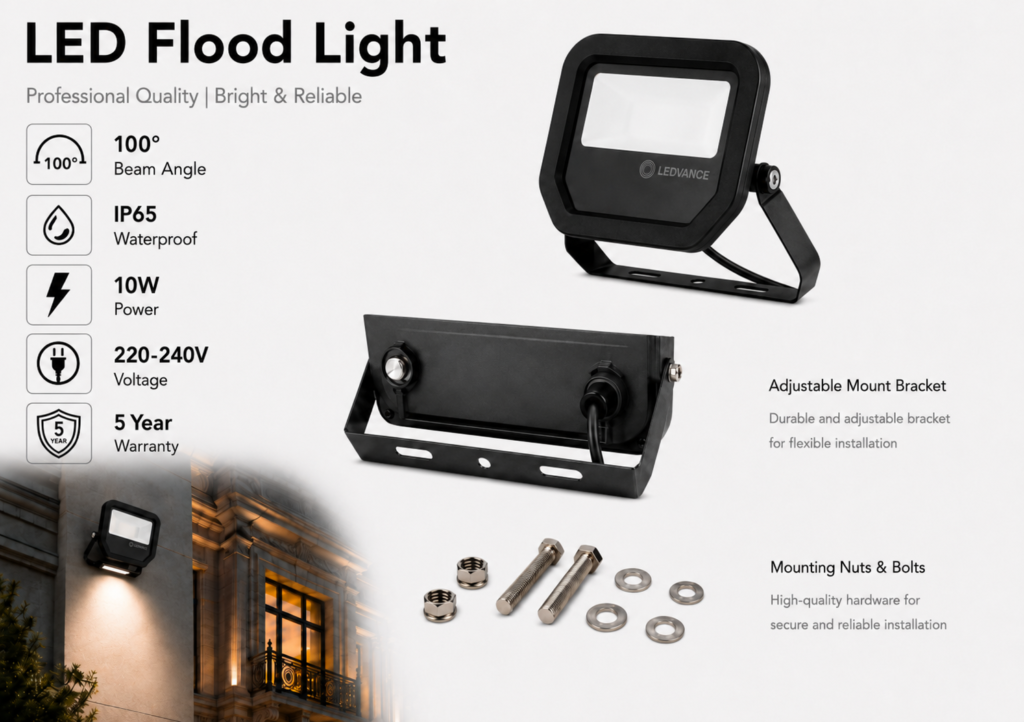
| Input | 220-240V AC |
| Power | 10 Watts |
| Current | 0.049A |
| Lumens | 1200 Lumens |
| Colour Temp | 6500K |
| CRI | 80 |
| Dimmable | No |
| Dimensions | 112mm (L) x 131mm (W) x 36mm (H) |
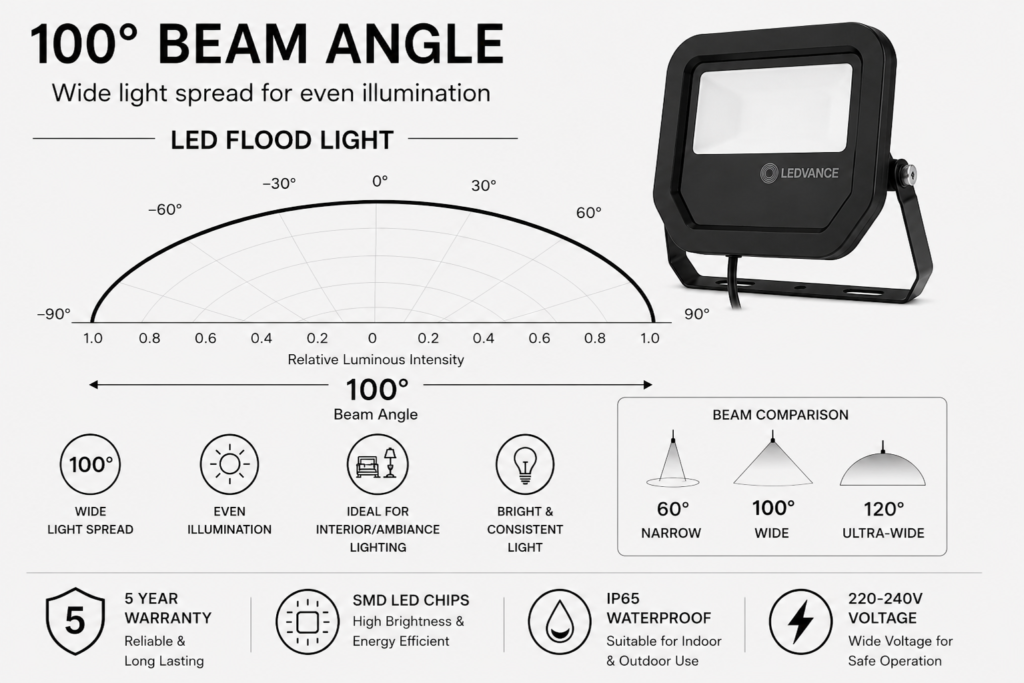
| Viewing Angle | 100° |
| Max Ambient Temp | 60° C |
| Warranty | 5 Years |
| Datasheet | Download Datasheet (PDF) |
26 in stock




Essential Components for an LED Flood Light Installation
To ensure a safe, reliable and long-lasting LED Flood Light installation, you'll need the following components and accessories:
Using quality electrical components, correctly rated cabling and suitable weatherproof accessories will help ensure reliable operation, improve safety and extend the lifespan of your LED Flood Light installation.
Installation Note: LED Flood Lights operating directly from 220-240V AC should be installed by a qualified electrician. For coastal installations, use corrosion-resistant mounting hardware and appropriately protected electrical connections.
Frequently Asked Questions – LED Flood Lights
1. What do I need for a basic LED Flood Light installation?
For a standard installation, you will generally require:
Always follow the manufacturer's wiring and installation instructions.
2. Are there any additional accessories or optional extras I may need?
Depending on your installation, you may require:
3. What voltage supply do LED Flood Lights require?
Always check the product specifications before connecting your flood light.
Many LED Flood Lights operate directly from 220-240V AC mains power, while some models require a separate LED driver or a specific DC voltage.
Never connect a flood light to an incompatible power supply.
4. How do I choose the correct wattage LED Flood Light?
The correct wattage depends on the size of the area, mounting height, required brightness and intended application.
As a general guide:
These are general guidelines. Always consider lumen output, beam angle and mounting height when selecting a flood light.
5. How many lumens do I need?
Lumens indicate the total amount of visible light produced by a fitting. The higher the lumen output, the more light the flood light produces.
The required lumen output depends on the area being illuminated and the desired brightness.
For larger areas, consider higher-output flood lights or multiple fittings positioned strategically to achieve even light distribution.
6. Can LED Flood Lights be installed outdoors?
Yes! LED Flood Lights are commonly used for outdoor applications.
However, always check the IP rating to ensure the fitting is suitable for exposure to rain, dust and moisture.
7. Can I install LED Flood Lights myself?
LED Flood Lights are designed with convenient mounting brackets for straightforward installation.
However, models operating on 220-240V AC require proper electrical connections and should be installed by a qualified electrician in accordance with South African electrical regulations.
8. Can LED Flood Lights be connected to a motion sensor?
Yes, provided the flood light and motion sensor are compatible.
Motion sensors automatically switch the lighting on when movement is detected, making them ideal for security lighting around driveways, entrances, garages and commercial properties.
9. Can LED Flood Lights be connected to a photocell or day/night sensor?
Yes! A compatible photocell automatically switches the flood light on when natural light levels decrease and switches it off when daylight returns.
This is particularly useful for security lighting, parking areas and outdoor installations.
10. Can LED Flood Lights be dimmed?
Some LED Flood Lights support dimming, while others are designed to operate at full brightness only.
Always check the product specifications and ensure that the dimmer is compatible with the LED driver.
11. What colour temperature should I choose?
Colour temperature is measured in Kelvin (K) and determines the appearance of the light.
Common options include:
12. Are LED Flood Lights suitable for coastal environments?
Certain LED Flood Lights are designed with enhanced protection for coastal conditions.
Salt air and moisture can accelerate corrosion, so it is important to select fittings specifically rated for coastal use and use suitable corrosion-resistant mounting hardware.
Always check the manufacturer's coastal suitability specifications before installation.
13. How long do LED Flood Lights last?
LED Flood Lights are designed for long-term operation, with lifespan varying according to the LED components, driver quality, operating temperature and installation conditions.
Following the manufacturer's installation and maintenance recommendations will help maximise the lifespan of your fitting.
14. Why is my LED Flood Light flickering?
Flickering can be caused by:
Have the fitting and electrical supply inspected by a qualified electrician if the problem persists.
15. What warranty do LED Flood Lights carry?
Warranty periods vary depending on the product model and manufacturer. Always check the individual product listing for its applicable warranty period and terms.
LED Flood Light Installation & Setup
Installing an LED Flood Light is straightforward when the correct equipment, mounting accessories and electrical connections are used. Proper installation ensures reliable operation, optimal lighting coverage and long-term performance.
Step 1: Plan Your Installation
Determine the area you need to illuminate and select a suitable LED Flood Light based on its wattage, lumen output, colour temperature and beam angle. Consider the mounting height, installation position and direction of the light to achieve the best coverage.
Step 2: Prepare the Mounting Surface
Ensure the mounting surface is solid, stable and capable of supporting the weight of the flood light. Suitable mounting locations include walls, poles, ceilings and other secure structures.
Step 3: Position the Mounting Bracket
Secure the supplied mounting bracket using appropriate screws, bolts and wall plugs. Make sure the bracket is firmly fixed before attaching the flood light.
Step 4: Connect the Electrical Wiring
Connect the flood light to the appropriate electrical supply, following the manufacturer's wiring instructions. Ensure all connections are correctly insulated and protected against moisture where required.
Step 5: Secure the Flood Light
Attach the flood light to the mounting bracket and tighten all fixing points. Adjust the light fitting to the desired angle, ensuring it is securely positioned.
Step 6: Test the Installation
Once the electrical connections have been completed, switch on the power and check that the flood light operates correctly. Confirm that the illumination covers the intended area and adjust the beam direction if necessary.
Step 7: Finalise and Inspect
Check that all mounting hardware is secure, cable entries are properly sealed and electrical connections are protected. Ensure the flood light is correctly positioned for optimal lighting performance.
Installation Tips
Following these steps will help ensure safe operation, effective illumination and long-lasting performance from your LED Flood Light installation.
Important Safety Note: LED Flood Lights operating on 220-240V AC must be installed by a qualified electrician in accordance with applicable South African electrical regulations. Always isolate the electrical supply before carrying out installation or maintenance.
LED Flood Light Troubleshooting & Recommendations
Common Issues & Solutions
LED Flood Light Won't Turn On
Flood Light Is Dim or Producing Reduced Brightness
Flood Light Is Flickering
Flood Light Switches Off Unexpectedly
Moisture or Condensation Inside the Flood Light
Recommendations
Following these recommendations will help maximise the performance, efficiency and lifespan of your LED Flood Light while reducing the likelihood of installation and operating issues.
LED Flood Light Safety Tips
To ensure safe installation and reliable operation, follow these important safety guidelines:
Following these safety precautions will help ensure a safe installation, reliable performance and a long service life for your LED Flood Light.
LED Flood Light Applications & Use Cases
LED Flood Lights are a powerful and energy-efficient lighting solution designed to provide bright, wide-area illumination for residential, commercial and industrial environments. Their high light output, durable construction and excellent lighting coverage make them ideal for improving visibility, enhancing security and illuminating large outdoor spaces.
Common applications include:
LED Flood Lights are available in various wattages and lumen outputs to suit different installation requirements, from small residential security applications to large commercial and industrial spaces. With excellent energy efficiency, long-lasting LED technology and wide beam angles, they provide reliable illumination while helping reduce electricity consumption and maintenance costs.
Whether you're lighting a driveway, securing a commercial property or illuminating a large industrial area, LED Flood Lights offer a dependable and cost-effective lighting solution.
Coastal Rated LED Flood Lights
Our Coastal Rated LED Flood Lights are designed to deliver powerful, reliable illumination in demanding outdoor environments, including coastal areas where salt air and moisture can accelerate corrosion. Built for durability and long-lasting performance, these flood lights are ideal for residential, commercial and industrial applications.
Perfect for illuminating building exteriors, driveways, parking areas, gardens, warehouses, security zones and outdoor workspaces, they provide bright, efficient lighting while offering enhanced protection against harsh coastal conditions. Whether used for security, general outdoor lighting or large-area illumination, these flood lights are a dependable solution for South African coastal environments.



WhatsApp us